
Glass Railing Safety in Coastal and Hurricane-Prone Environments
The sleek aesthetics of glass railings must be matched by rigorous engineering, especially when installed in demanding environments. Two of the most challenging conditions are coastal or high-humidity zones and regions prone to hurricanes and extreme winds. This article outlines the critical safety considerations, material mandates, and design principles essential for ensuring glass railing safety and longevity in these harsh climates.
Part 1: Coastal & High-Humidity Zones – The Battle Against Corrosion
In environments with salt-laden air, persistent moisture, or high humidity, corrosion is the primary and relentless adversary. Safety here is directly tied to the long-term integrity of every metal component in the system.
Core Risk Analysis:
1. Accelerated Metal Corrosion: Salt (chloride) ions and moisture trigger rapid degradation of standard metals. This compromises the strength of posts, clamps, brackets, and fasteners, potentially leading to catastrophic structural failure.
2. Glass and Sealant Degradation: Salt deposits can pit and etch glass surfaces over time. More critically, moisture penetration can cause sealants to deteriorate, weakening the bond between glass and its supports.
Railing Safety Solutions & Material Specifications:
1. Mandatory Material Upgrade: The use of 316-grade (Marine-grade) stainless steel for all metalwork is non-negotiable. Its molybdenum content offers superior resistance to pitting and crevice corrosion compared to standard 304-grade steel. High-quality anodized or powder-coated aluminum railing is also a suitable alternative.
2. Design for Drainage: The system must be designed with no water-trapping details. Profiles should be self-draining, and the detailing must prevent the accumulation of standing water at joints or on horizontal surfaces, which accelerates corrosion.
3. Comprehensive Protection: All fasteners, even those hidden, must be of the same corrosion-resistant grade. The use of laminated glass is highly recommended, as its interlayer remains unaffected by moisture and provides residual safety if the glass is compromised.
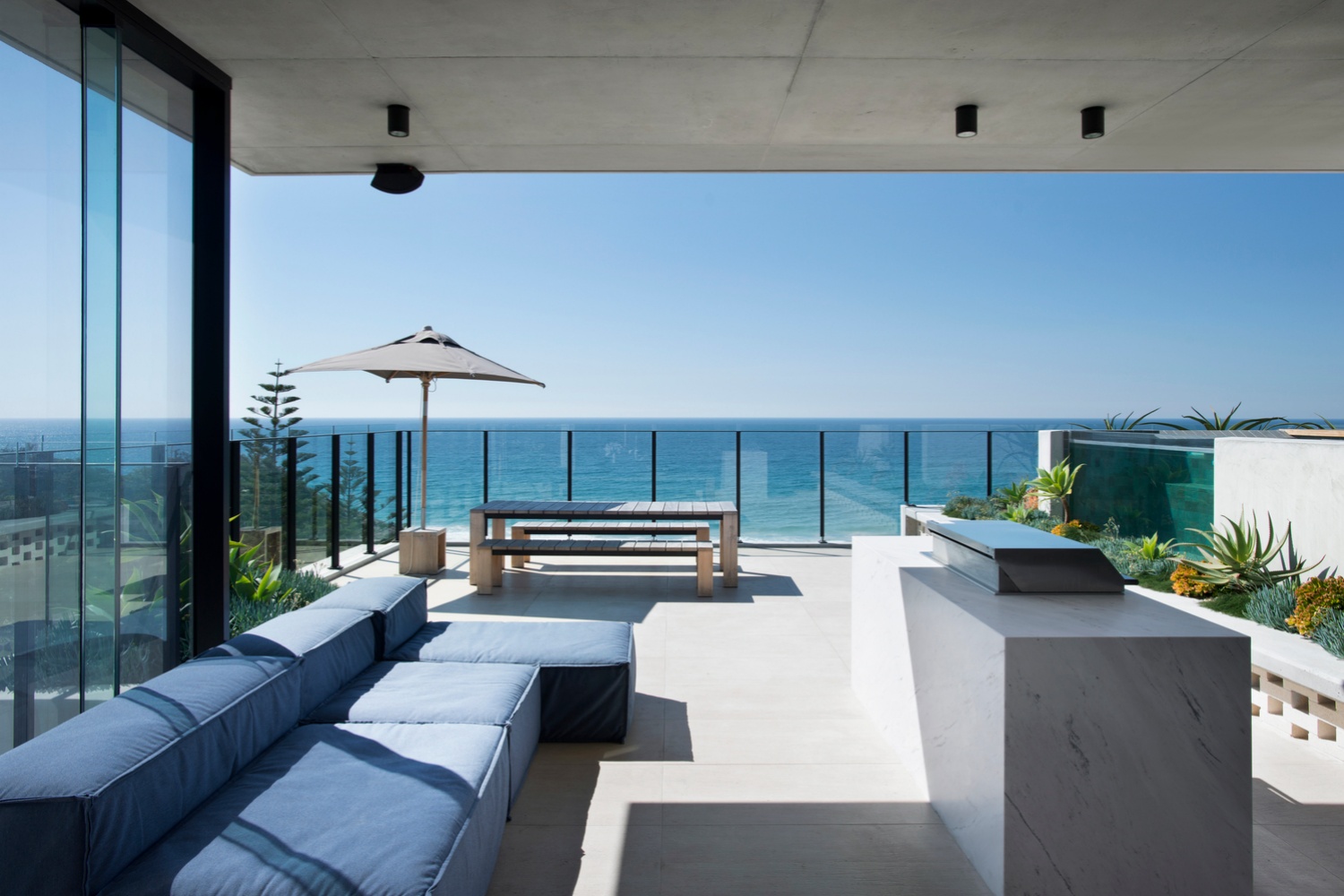
Part 2: Hurricane & High-Wind Regions – Defending Against Dynamic Loads
In areas susceptible to hurricanes, typhoons, or constant strong winds, glass railings must function as part of the building's protective envelope, engineered to withstand extreme forces.
Core Risk Analysis:
1. Extreme Wind Pressure & Uplift: Hurricane-force winds create enormous positive and negative pressures that can exceed standard design loads, risking the entire panel being sucked out or pushed in if not properly secured.
2. Impact from Windborne Debris: Flying debris is a major hazard. Glass must be able to resist penetration from high-speed projectiles to maintain the building envelope and prevent injury.
3. Structural Fatigue: Constant buffeting and vibration from high winds can lead to metal fatigue and loosening of connections over time.
Railing Safety Solutions & Engineering Protocols:
1. Wind-Load Engineering: Design must be based on local building code requirements for ultimate design wind speeds. This often necessitates thicker glass, smaller panel sizes, closer support spacing, and the use of engineered, hurricane-rated clamping systems certified by a structural engineer.
2. Impact-Resistant Glazing: Laminated glass certified for impact resistance (e.g., tested to standards like ASTM E1996 or Miami-Dade County protocols) is essential. This glass is designed to withstand the impact of small debris without penetrating, forming a critical safety barrier that holds together even when cracked.
3. Over-Specified Anchorage: Anchors must be embedded into the building's primary structural elements, not just facade or decking materials. Connections should have a higher safety factor, and redundant fixing methods are advisable. Regular post-installation and post-storm inspections of all fittings are critical.
Conclusion: A Proactive and Specialized Approach
For coastal applications and hurricane-prone regions, standard glass railing solutions are inadequate. Safety is achieved through a proactive, specialized approach:
In coastal environments, the battle is won by uncompromising material selection—specifically 316 stainless steel—and intelligent, drainage-focused design.
In high-wind zones, safety is secured through calculated structural engineering, mandatory impact-resistant glazing, and fortified anchorage details that far exceed typical requirements.
Ultimately, a successful and safe installation in these extreme climates depends on a collaborative process involving architects, engineers, and installers who possess specific expertise in local environmental challenges and the stringent building codes that address them. Only through this dedicated approach can the transparent beauty of glass railings translate into enduring and reliable performance against the elements.