
Aluminum Glass Railing vs Vertical Aluminum Railing: What’s the Difference?

When choosing a railing system for a residential or commercial project, both aluminum glass railing and vertical aluminum railing are popular options. Although they serve the same essential safety purpose, these two systems differ significantly in appearance, openness, maintenance, cost, and application.
Understanding these differences can help architects, builders, developers, and homeowners select the right solution based on project style and functional needs.
What Is Aluminum Glass Railing?
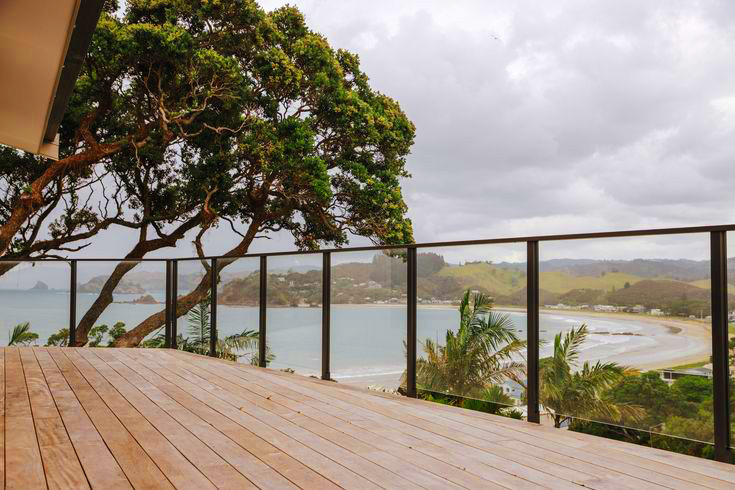
Aluminum glass railing is a railing system that combines aluminum structural components with glass panels. It is often used in balconies, terraces, staircases, and other spaces where a modern appearance and open view are important.
One of its biggest advantages is transparency. Glass panels allow natural light to pass through and create a bright, clean, and spacious visual effect. For this reason, aluminum glass railing is widely used in villas, apartments, hotels, and commercial buildings with modern architectural designs.
In addition to its aesthetic appeal, aluminum glass railing also offers durability. The aluminum structure provides corrosion resistance, while tempered or laminated safety glass ensures reliable performance for daily use.
What Is Vertical Aluminum Railing?

Vertical aluminum railing is a more traditional railing system that uses vertical pickets or balusters as the infill. Compared with glass railing, it creates a more defined and structured appearance.
This type of railing is commonly used in balconies, staircases, decks, porches, gardens, and public walkways. It is often selected for projects that prefer a classic style, lower maintenance, and practical performance.
Because it does not use glass panels, vertical aluminum railing is easier to clean in daily use. It is also a practical choice for projects that focus on durability, simplicity, and cost control.
Key Differences Between Aluminum Glass Railing and Vertical Aluminum Railing
Aluminum glass railing and vertical aluminum railing differ in several important aspects, including appearance, visibility, maintenance, safety, cost, and suitable applications.
1. Appearance
Aluminum glass railing offers a sleek, modern, and minimalist appearance. Its transparent design helps create a clean and premium architectural look.
Vertical aluminum railing has a more classic and structured visual style. The vertical lines add rhythm and definition, making it suitable for both traditional and contemporary projects.
2. Visibility and Openness
Aluminum glass railing offers a clearer and more open view because the glass panels are transparent. This makes it an ideal choice for balconies, terraces, and scenic spaces where visibility is a priority.
Vertical aluminum railing partially blocks the view due to the spacing of the pickets. However, it still provides a relatively open feel while maintaining airflow and boundary definition.
3. Maintenance
Vertical aluminum railing generally requires less maintenance in everyday use. Without glass panels, there are fewer issues with fingerprints, water marks, and visible dust.
Aluminum glass railing may require more frequent cleaning to maintain a neat and polished appearance. In outdoor environments, rain marks and dust may be more noticeable on glass surfaces.
4. Safety and Performance
Both railing systems can provide strong safety performance when properly designed and installed.
Aluminum glass railing usually uses tempered or laminated safety glass, offering strength and reliability for both residential and commercial applications. It can also help reduce wind impact in some outdoor areas.
Vertical aluminum railing provides a solid and dependable protective barrier with a conventional structural design. It is a widely accepted solution for many standard residential and commercial projects.
5. Cost
In many cases, vertical aluminum railing is more cost-effective than aluminum glass railing. This is because glass railing systems often require glass panels, specialized accessories, and more precise installation.
Aluminum glass railing is typically chosen for projects that place greater value on aesthetics, openness, and premium visual impact.
6. Suitable Applications
Aluminum glass railing is commonly used for balconies, terraces, staircases, poolside fencing, hotels, resorts, and modern residential or commercial buildings.
Vertical aluminum railing is commonly used for apartment balconies, residential staircases, decks, porches, garden railings, walkways, and other practical indoor or outdoor spaces.
Which One Should You Choose?
If your priority is modern design, maximum visibility, and a more upscale architectural appearance, aluminum glass railing is often the better choice.
If your project focuses more on practicality, lower maintenance, and budget efficiency, vertical aluminum railing may be the more suitable option.
In some projects, the two systems can also be combined. For example, aluminum glass railing can be used in front-facing balconies or key visual areas, while vertical aluminum railing can be applied to staircases, side areas, or utility-focused spaces.
Conclusion
Aluminum glass railing and vertical aluminum railing each offer unique advantages. Aluminum glass railing stands out for its modern look, openness, and premium design effect. Vertical aluminum railing stands out for its practicality, easy maintenance, and cost efficiency.
There is no single solution that fits every project. The best choice depends on your design preferences, project budget, maintenance expectations, and application requirements.
There is no single solution that fits every project. The best choice depends on your design preferences, project budget, maintenance expectations, and application requirements.