

2026-04-30
Glass railing safety is a paramount concern that varies significantly between private homes and public venues. This article explores the distinct safety standards and design priorities for residential glass railings andcommercial glass railings, ensuring that aesthetic appeal is firmly grounded in rigorous protection for users.
Residential Glass Railing Applications: Safeguarding the Home
In residential settings such as balconies, decks, and staircases,glass railingsafety focuses on durability for daily family life and preventing accidents in a private environment.
Core Risks:Key concerns include impact from children or pets, long-term wear, and preventing falls. Psychological comfort and clear visibility are also important in a home.
Safety Solutions and Priorities:
Material Selection: Using safety glass, such as laminated or fully tempered glass, is essential. Laminated glass is particularly recommended for its ability to hold together if shattered, acting as a protective barrier.
Structural Design: The system must withstand both code requirements and dynamic family use. Secure anchoring and a robust handrail are critical for physical support and as a clear visual boundary.
Visibility and Maintenance: Incorporating subtle visual markers on the glass can prevent accidental collisions. Regular inspections for damage and proper cleaning are vital for long-term safety.

Commercial Glass Railing Applications: Engineering for Public Spaces
For commercial glass railings in hotels,malls, and offices, safety is a matter of public liability. These installations must be engineered to handle high traffic, vandalism, and much stricter safety standards.
Core Risks: These spaces face risks from crowd loads, constant public contact, and the need for fail-safe performance to protect large numbers of people.
Safety Solutions and Priorities:
Compliance and Structure: Commercial glass railings must meet elevated structural codes, requiring thicker glass, more robust framing, and certified engineering to handle significant loads.
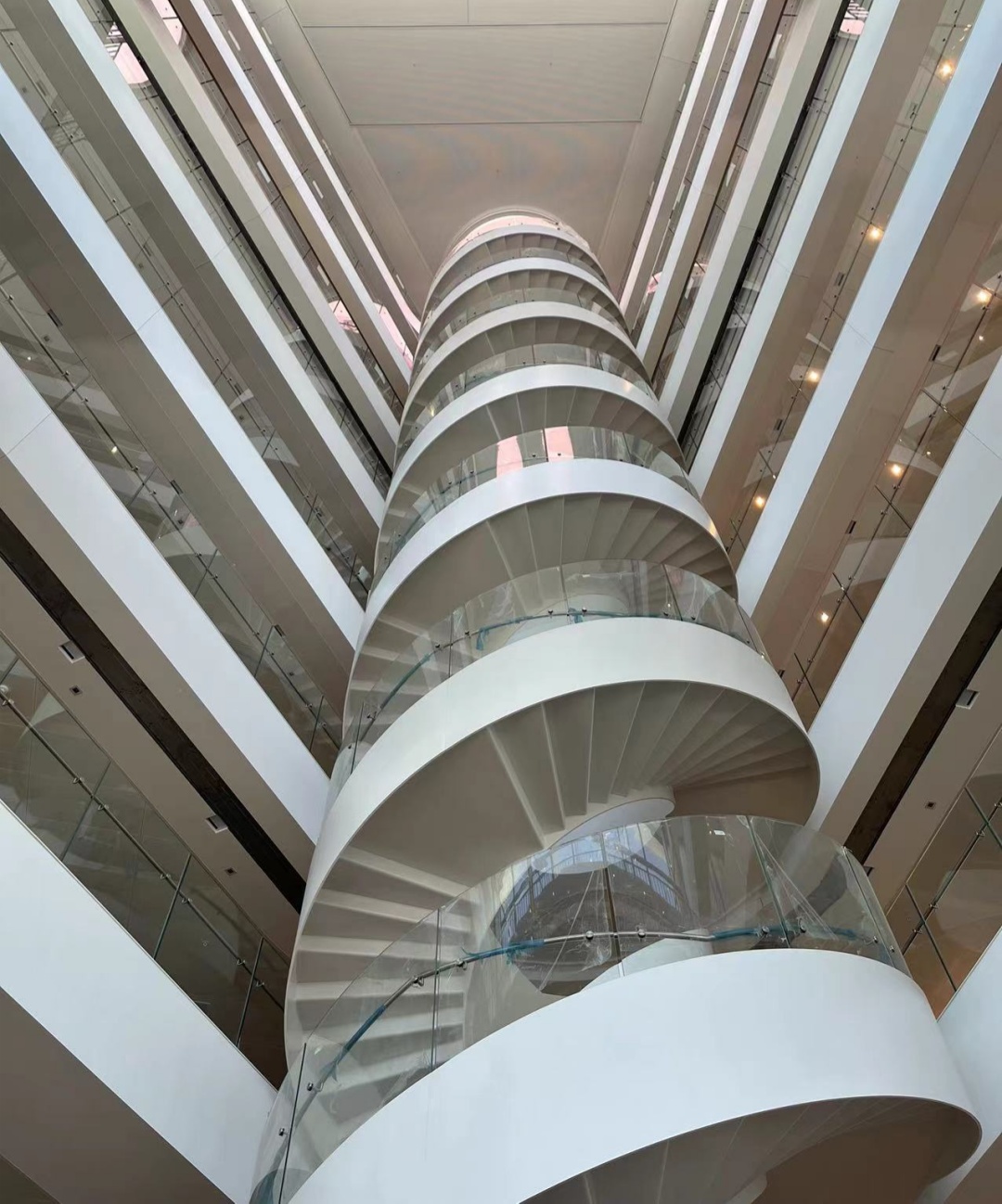
Clarity and Guidance: Design must prioritize immediate public recognition of the barrier. Prominent, continuous handrails and integrated visual breaks are essential to guide movement and prevent collisions in busy areas.
Professional Maintenance: A formal, scheduled maintenance and inspection program is non-negotiable for ongoing safety and liability management in commercial settings.
Conclusion
Achieving true glass railing safety requires a context-specific approach. Residential glass railings benefit from proactive material choices like laminated glass and family-centric design details. In contrast, commercial glass railings demand rigorous engineering, strict adherence to commercial safety standards, and professional maintenance protocols. Understanding these distinct requirements ensures that the sleek appearance of glass is matched by appropriate and reliable security for its intended environment.
FOSHAN NANHAI YUEXING HARDWARE PRODUCTS.,LTD / YTOOT IMPORT AND EXPORT CO.,LTD
Found in 1992, Yuexing Hardware and YTOOTspecialize in architectural hardware
1.Main Products:Stair handrails, balcony fences, bathroom glass clamps and curtain wall hardware accessories.
2.Strengths:Reliable, cost-effective hardware solutions backed by a mature local supply chain.


